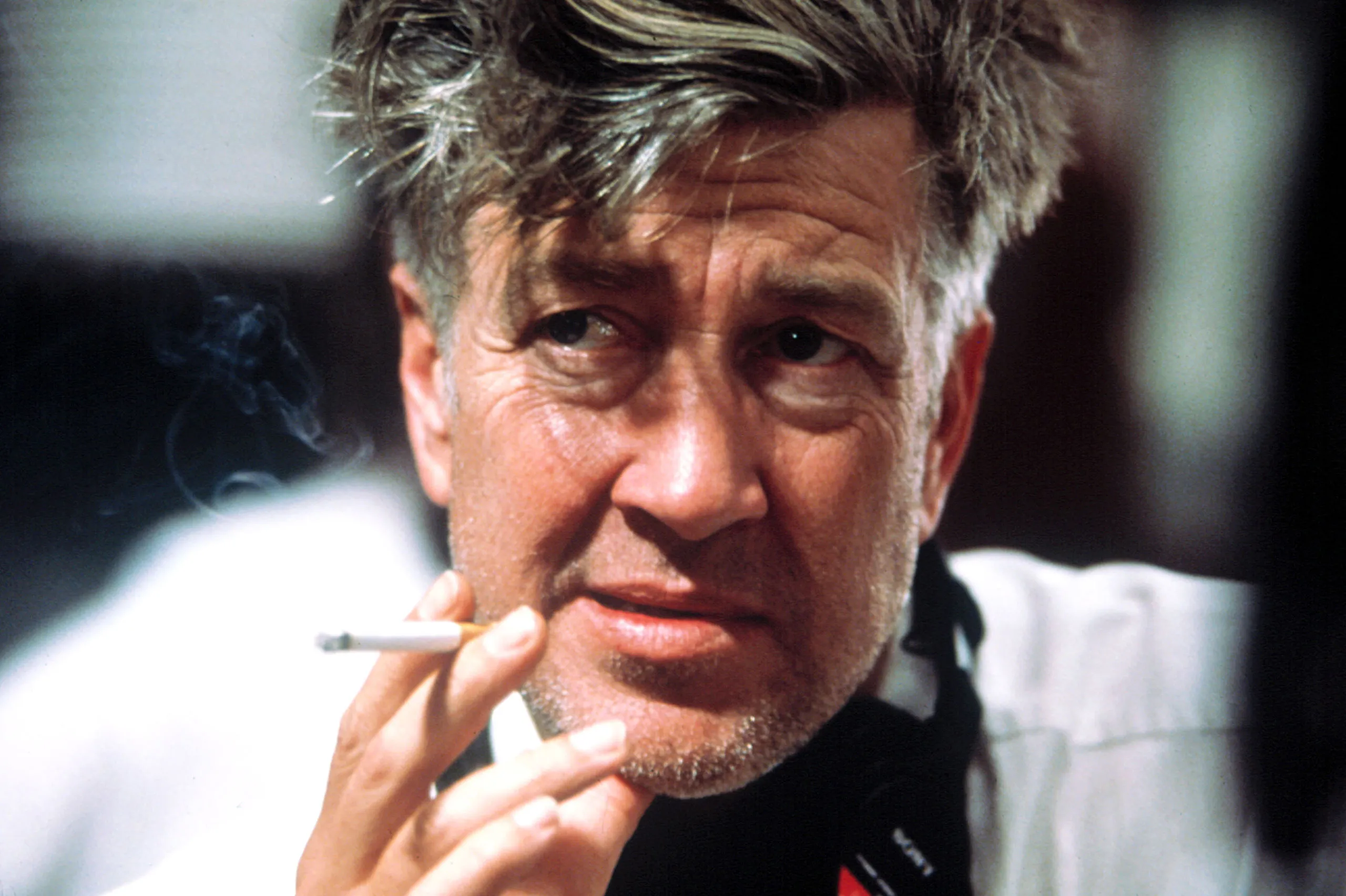
There is a quality that runs through everything David Lynch made, a feeling more than a style. The feeling that the world you are looking at is not quite the real one — that somewhere just beneath the surface of the ordinary, something else is present, watching, waiting. Lynch spent his entire career pulling back that surface, not to explain what is underneath, but simply to show that it is there.

Lost Highway
Lost Highway (1997) is Lynch at his most deliberately disorienting. Bill Pullman plays Fred Madison, a jazz musician who may or may not have murdered his wife. Partway through the film, without explanation, he becomes a different person — a young mechanic named Pete Dayton, played by Balthazar Getty. The narrative does not justify this. It simply happens, and Lynch expects you to follow without a map. Lost Highway is a film about guilt and self-erasure, about the way the mind can rewrite itself to survive what it has done. The Mystery Man — a pale, grinning figure played by Robert Blake — is one of the most genuinely unsettling presences Lynch ever put on screen, precisely because he offers no explanation for himself. He simply exists, recording, watching, turning up where he should not be. The film is scored and shot like a fever dream and makes no apologies for leaving you unresolved.
Twin Peaks
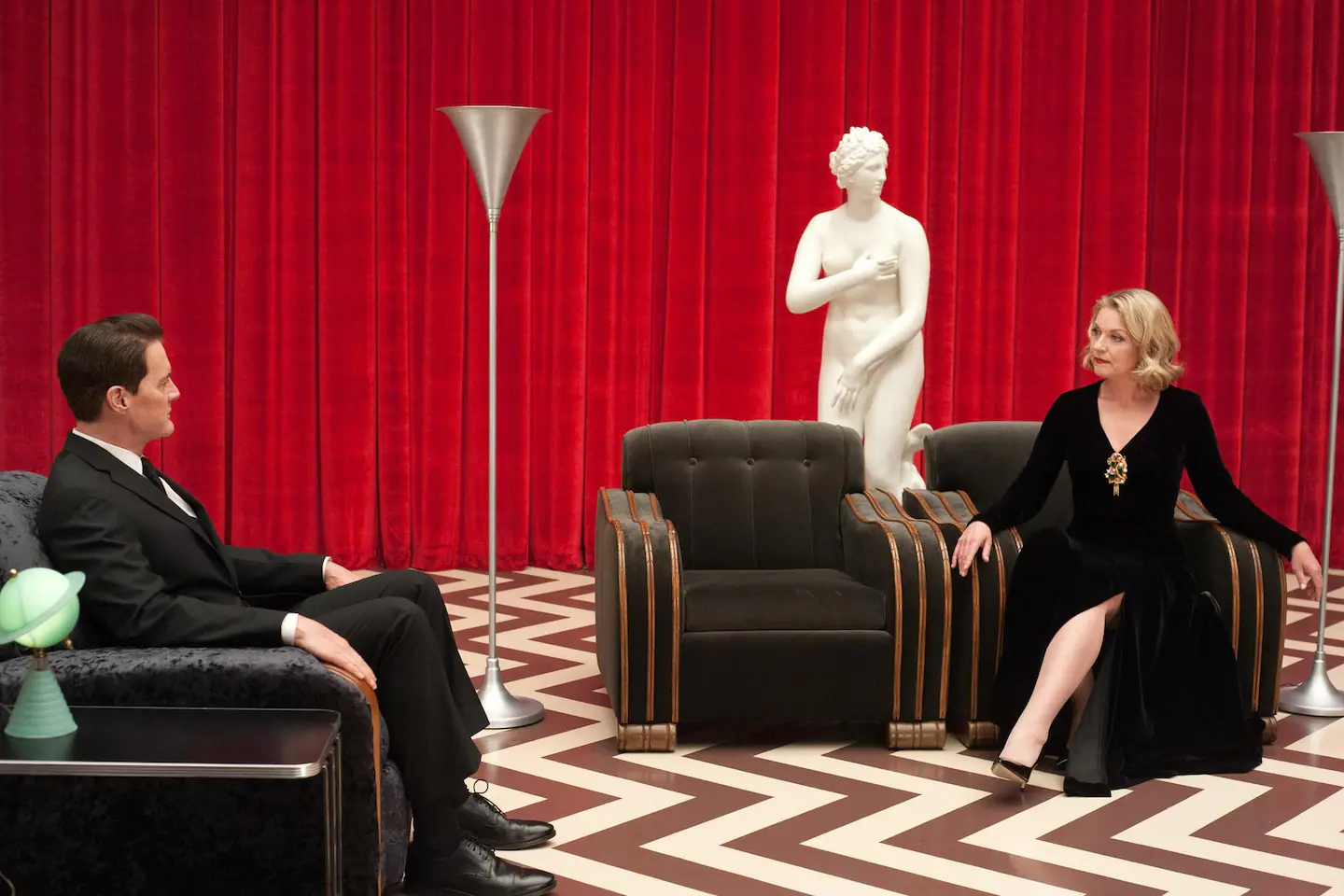
Twin Peaks began in 1990 as a television murder mystery and almost immediately became something harder to categorize. The question at its center — who killed Laura Palmer — is almost beside the point. What Lynch and co-creator Mark Frost were really building was a world, a small logging town in the Pacific Northwest where the diners are warm and the coffee is good and something genuinely evil lives in the woods. FBI Agent Dale Cooper arrives to investigate and finds a community layered with secrets, desires, and grief that the town has never known how to process. The original two seasons move between soap opera, comedy, horror, and something approaching myth, often within the same scene. When Twin Peaks: The Return arrived in 2017, nearly twenty-five years later, Lynch pushed further than he ever had — dismantling narrative almost entirely, stretching time, replacing comfort with dread. The Return is not a continuation so much as a reckoning. It asks what it means to revisit a place you loved and find that it has changed, or that you have, or that it was never quite what you believed it to be.
Blue Velvet
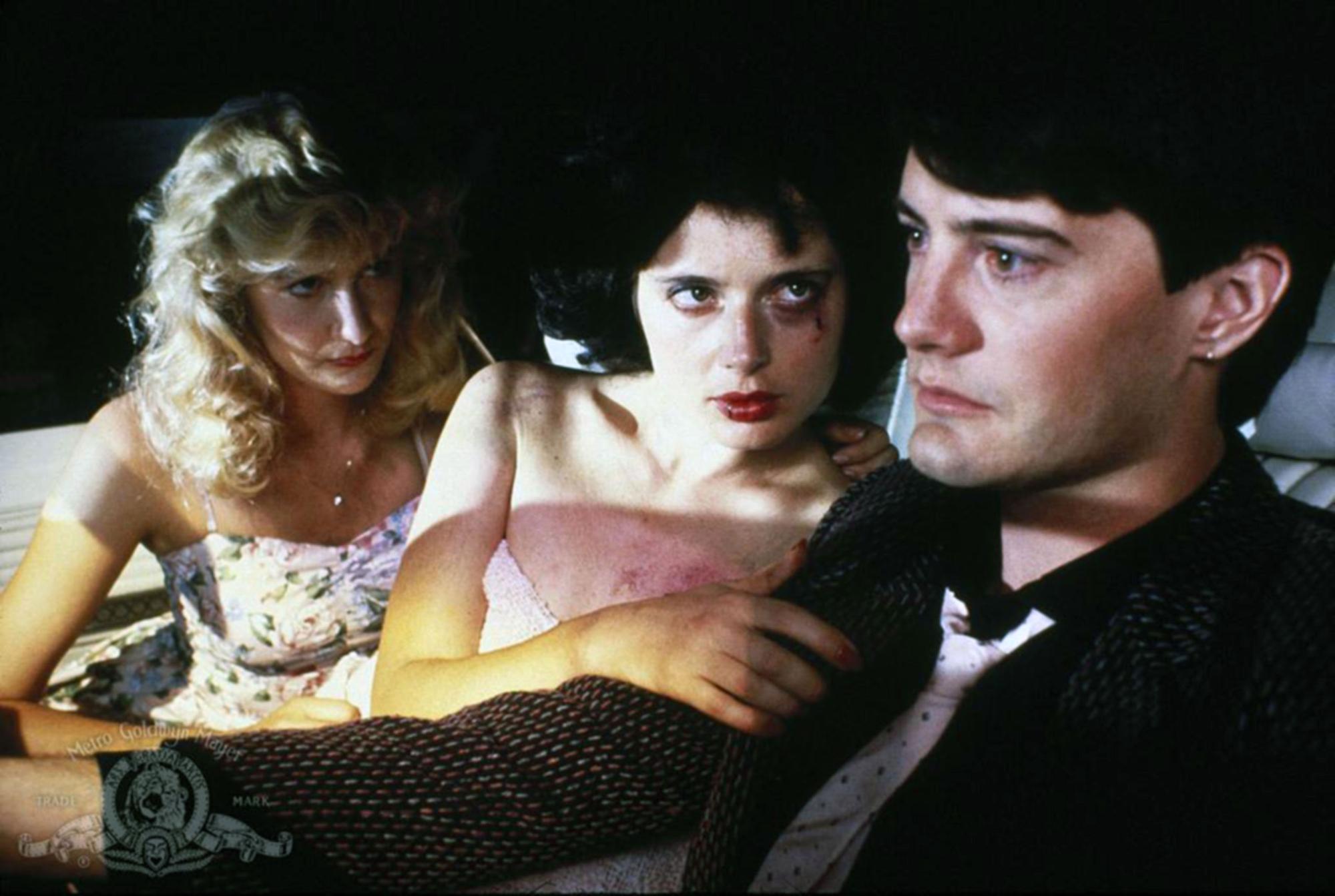
Blue Velvet (1986) is Lynch’s most controlled provocation. It opens in the most aggressively wholesome version of small-town America imaginable — white picket fences, red roses, a fireman waving from a truck — and within minutes a man collapses in his garden and a severed human ear is lying in the grass. Jeffrey Beaumont finds the ear and, rather than walking away, decides to look further. What he finds is Dorothy Vallens, Frank Booth, and a situation of violence and sexual terror operating in plain sight behind a perfectly normal neighborhood. Lynch films all of it without irony and without winking at the audience. He is not making a satire of American suburbia, or not only that. He is making something more uncomfortable — a film about the fact that darkness is not somewhere else. It is here, adjacent, and the people who go looking for it do so partly because something in them wants to see it.
Eraserhead
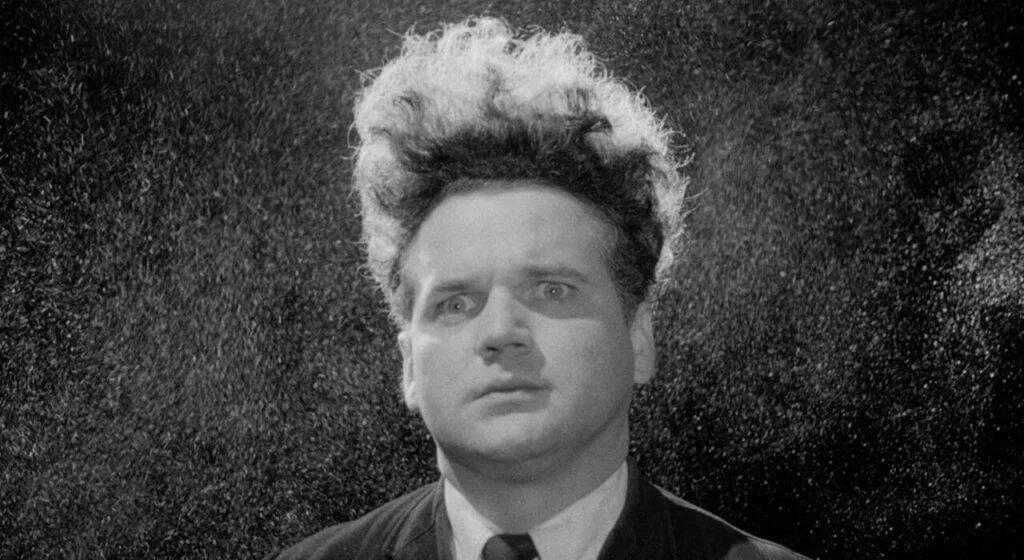
Eraserhead (1977) is where everything began, and in some ways it remains the purest distillation of what Lynch was. Shot over five years on a budget that barely existed, it follows Henry Spencer through an industrial wasteland of a city, into a relationship, into fatherhood, into something that stops resembling a plot and becomes a sustained state of dread. The baby — famously never explained, never replicated — is one of cinema’s great images of anxiety made physical. Lynch himself said the film came out of his time in Philadelphia, the feeling of a city as something hostile and decaying, and that feeling is in every frame. There is almost no story in the conventional sense. There is only atmosphere, sound design that burrows into your skull, and the portrait of a man completely overwhelmed by a life he does not know how to inhabit. It is not an easy film, but it is an honest one, in the way that nightmares are honest.
Lynch died in January 2025, and what he leaves behind is a body of work that does not comfort or resolve. It simply insists that there is more going on than what we can see, and that looking closer is both necessary and dangerous.